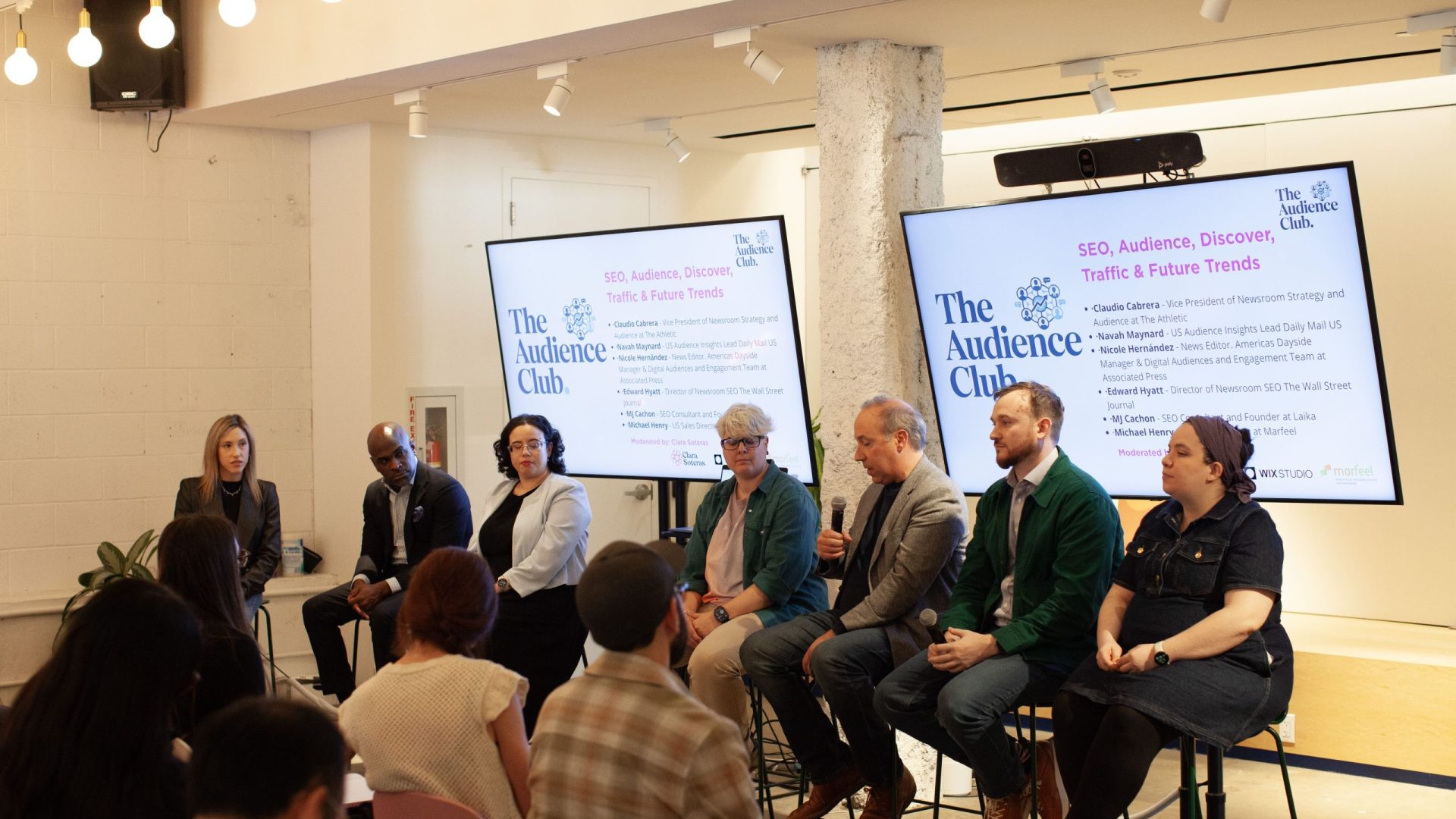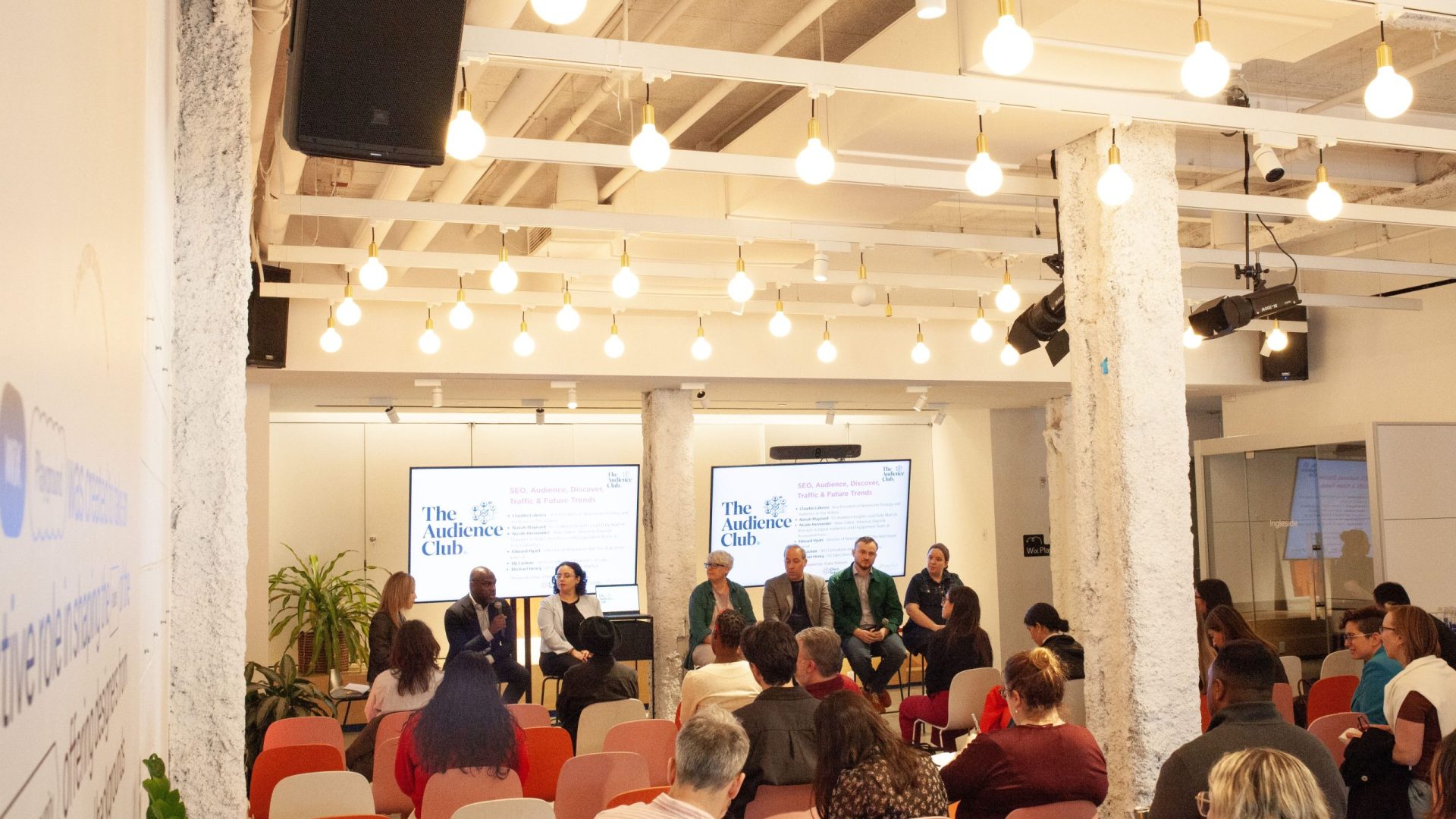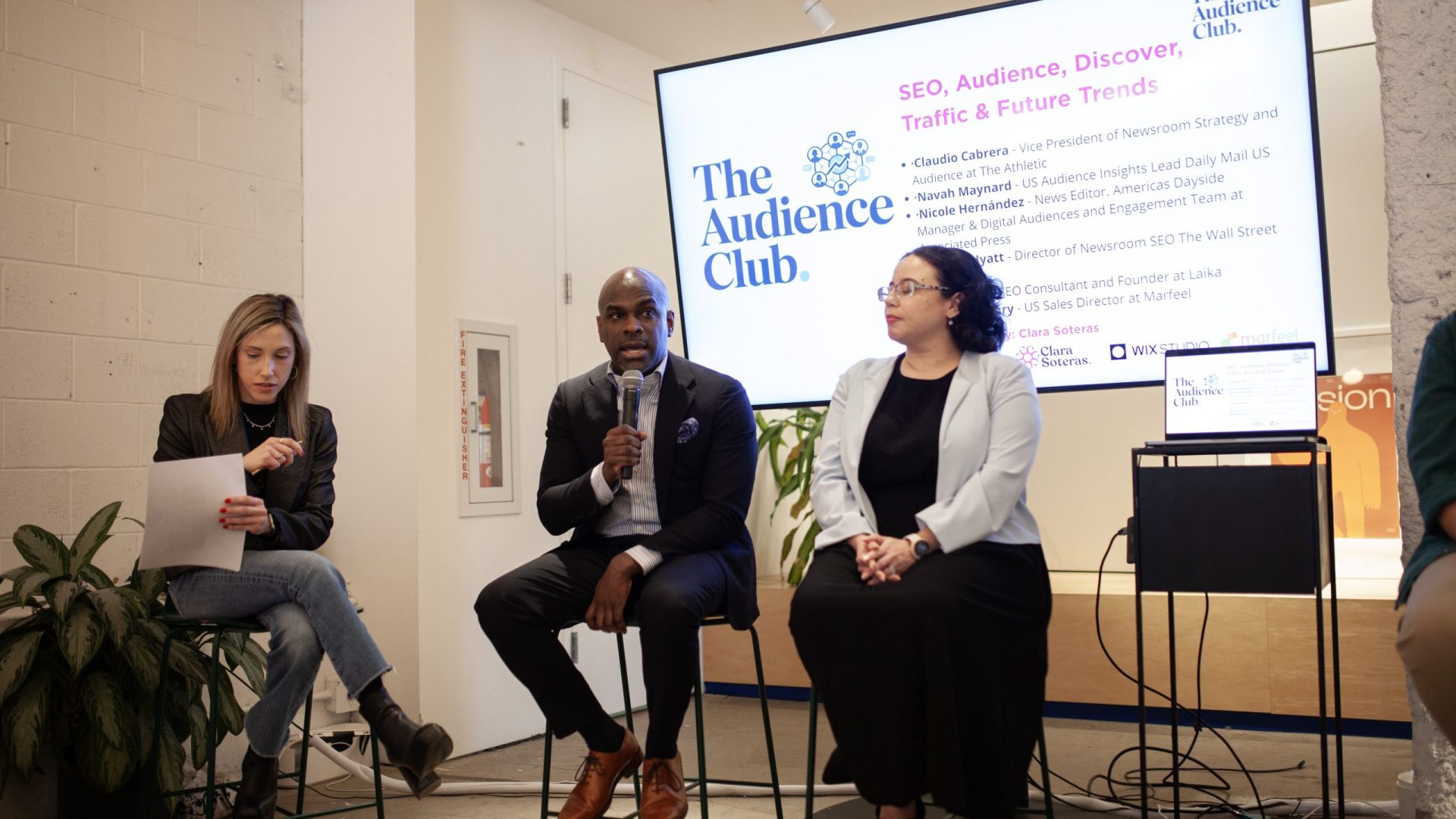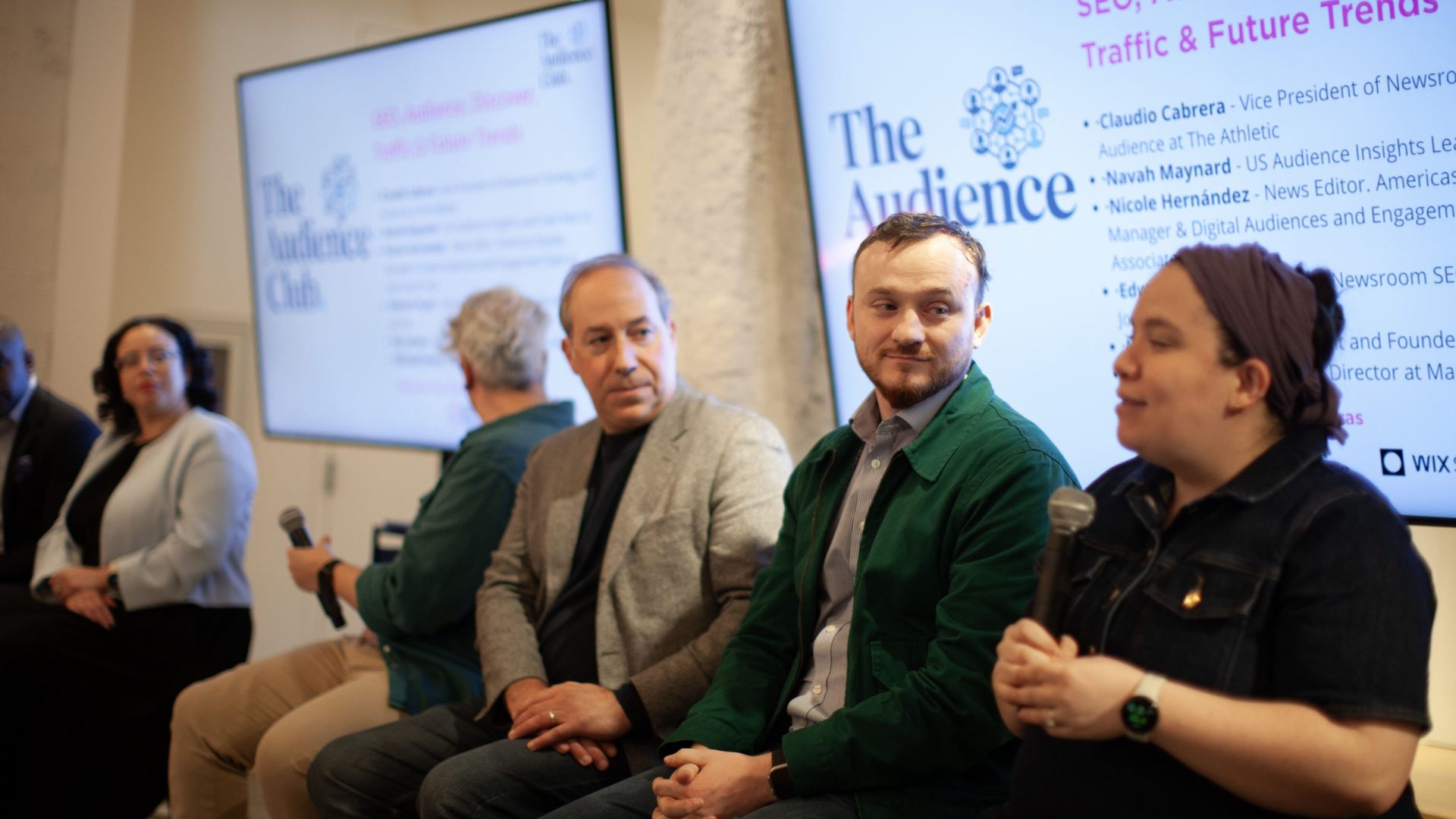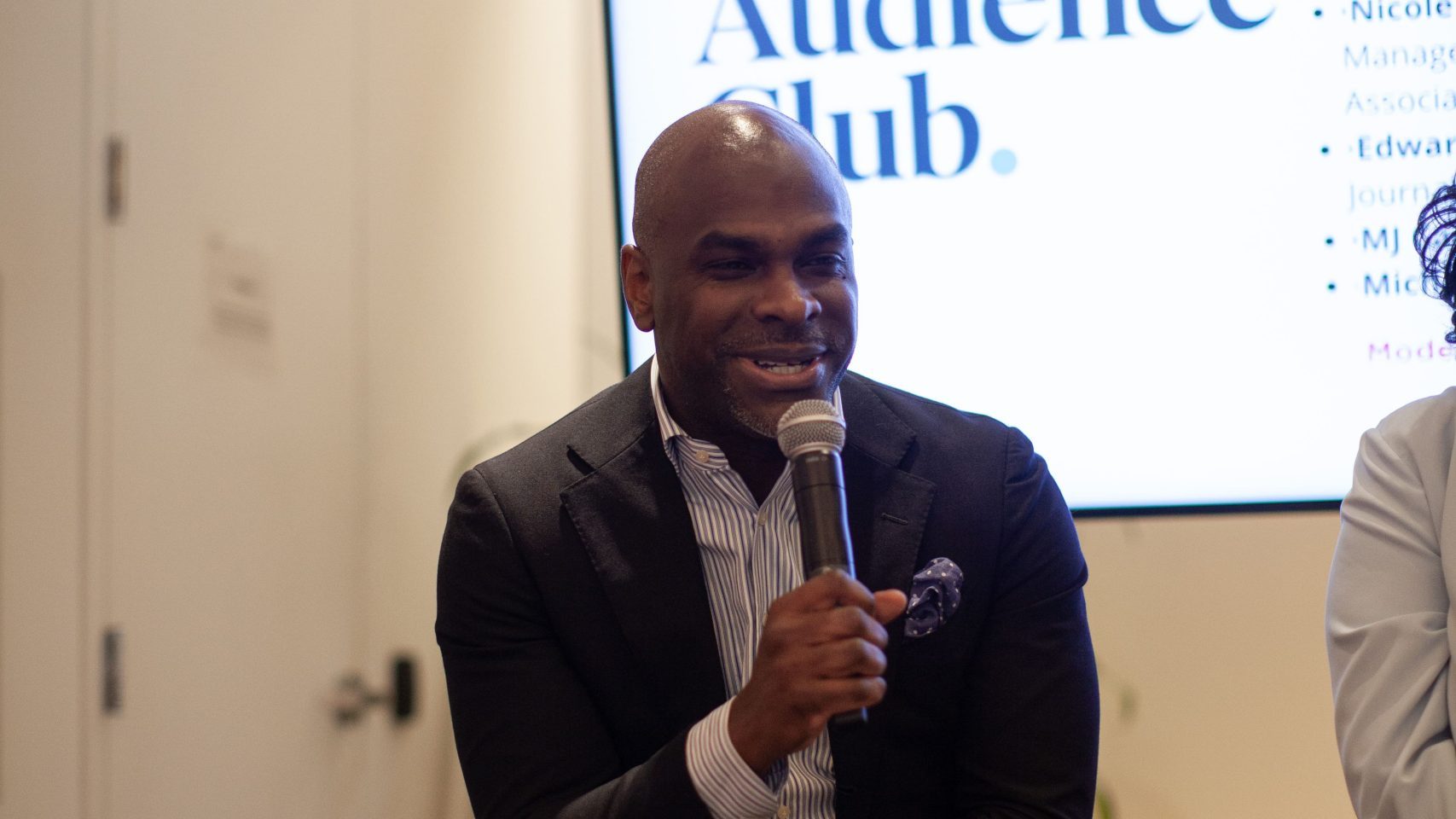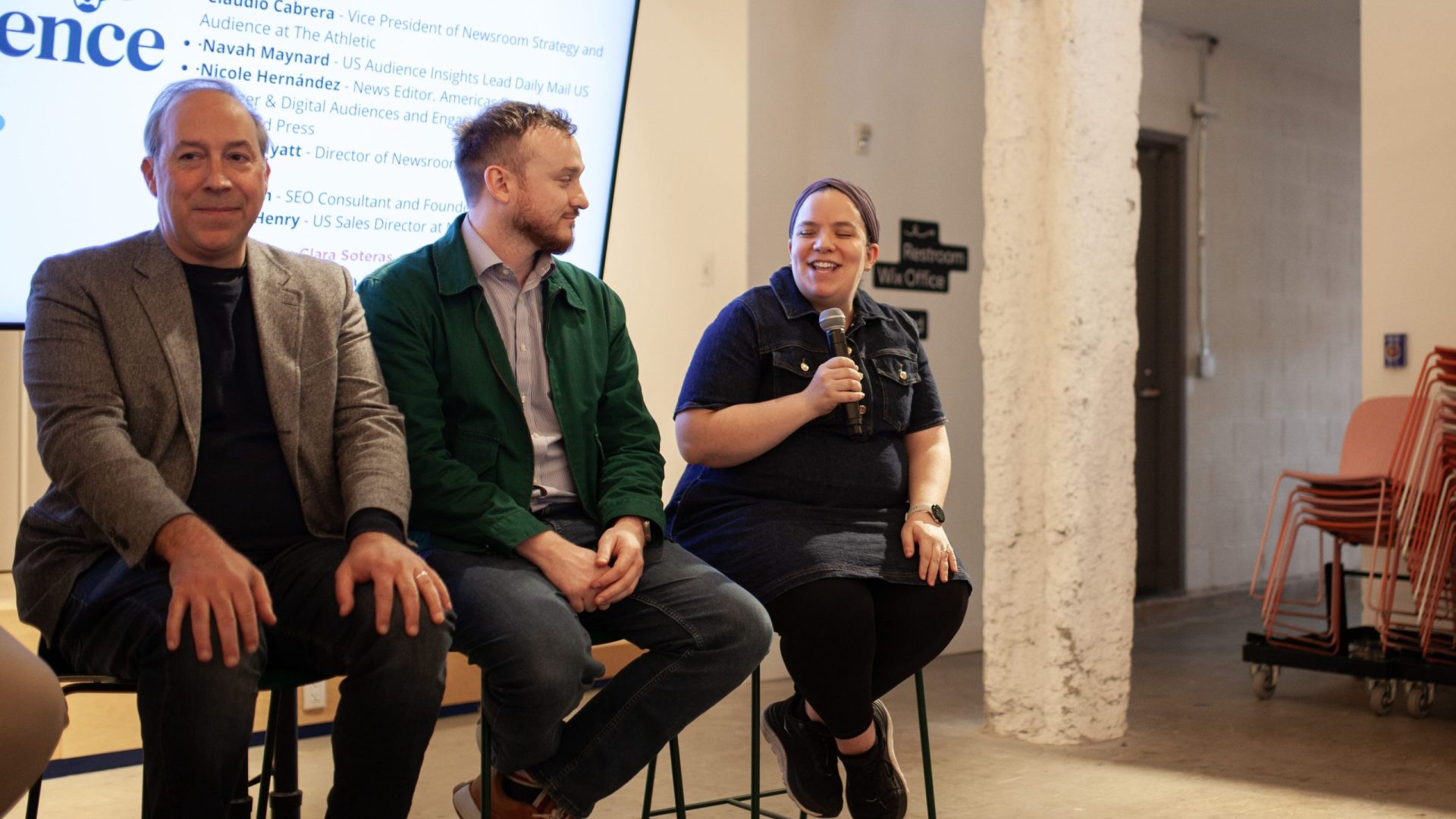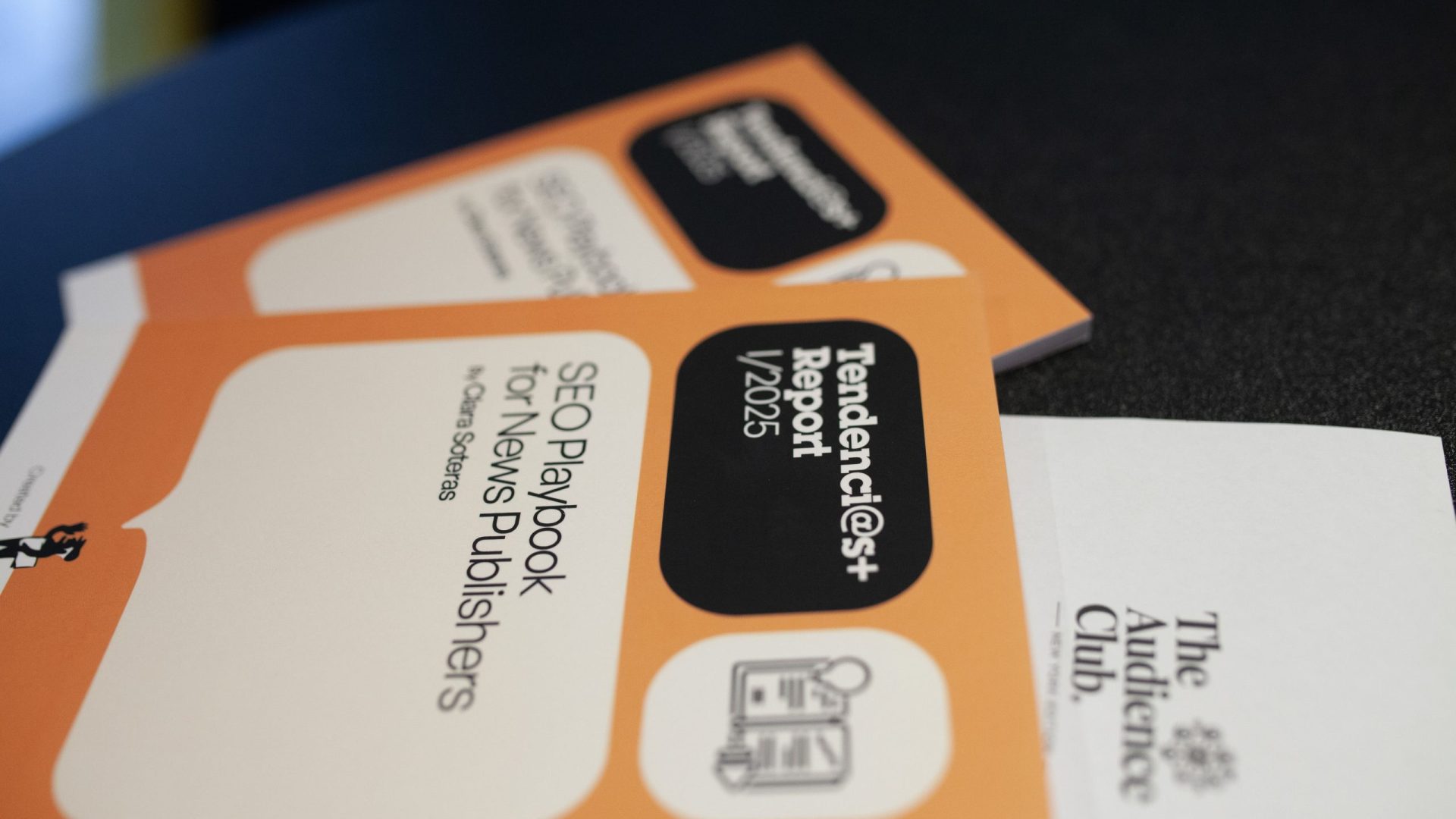
In a digital landscape shaped by volatile algorithms and the rise of AI-powered search, news publishers are making a fundamental shift away from the traditional chase for pageviews. The focus is now on building reader loyalty, strengthening authority, and diversifying traffic sources beyond an increasingly unpredictable Google ecosystem. With this in mind, I created The Audience Club, a community for media professionals to share knowledge, discuss emerging trends, and explore the future of publishing together.
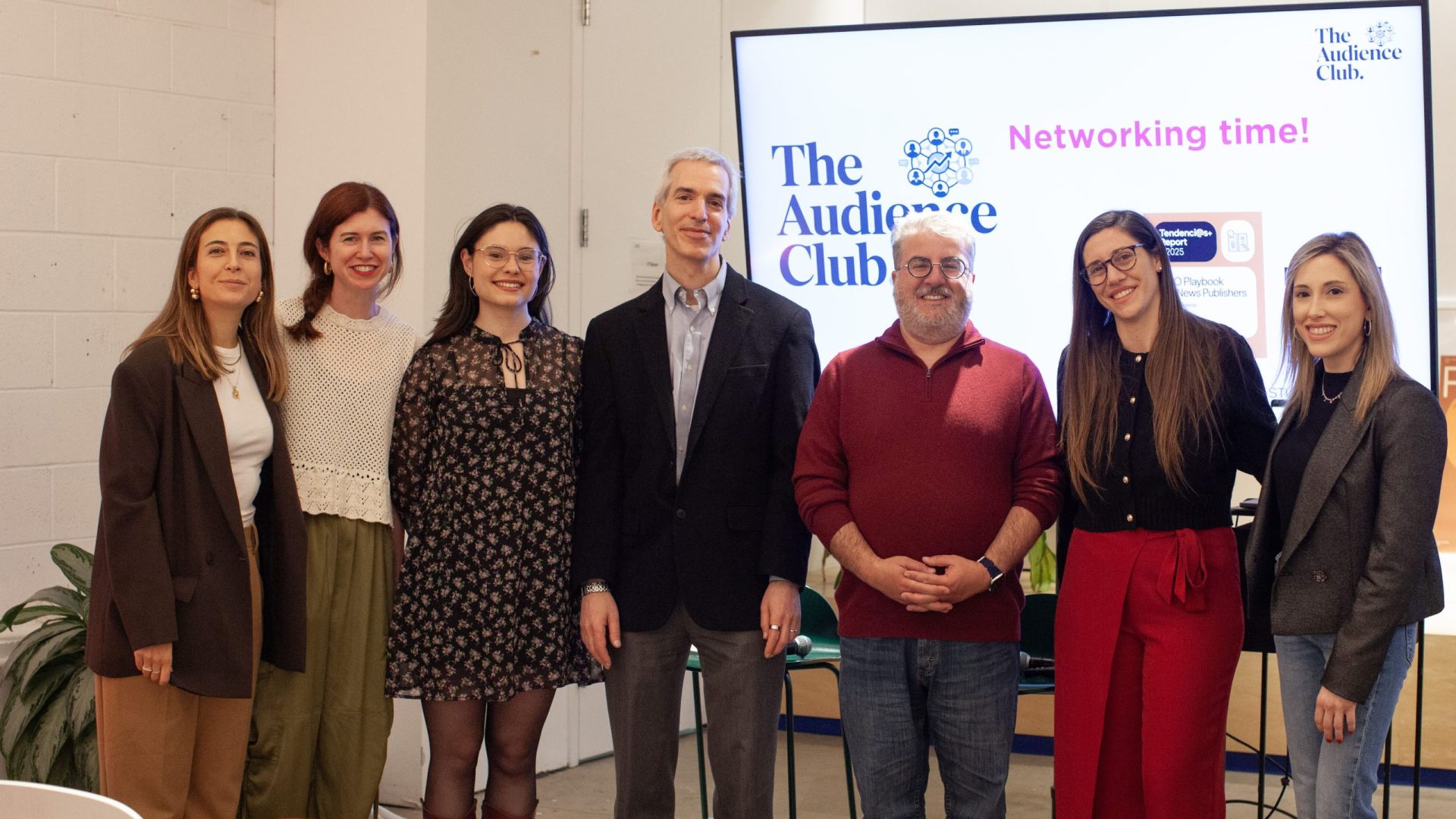
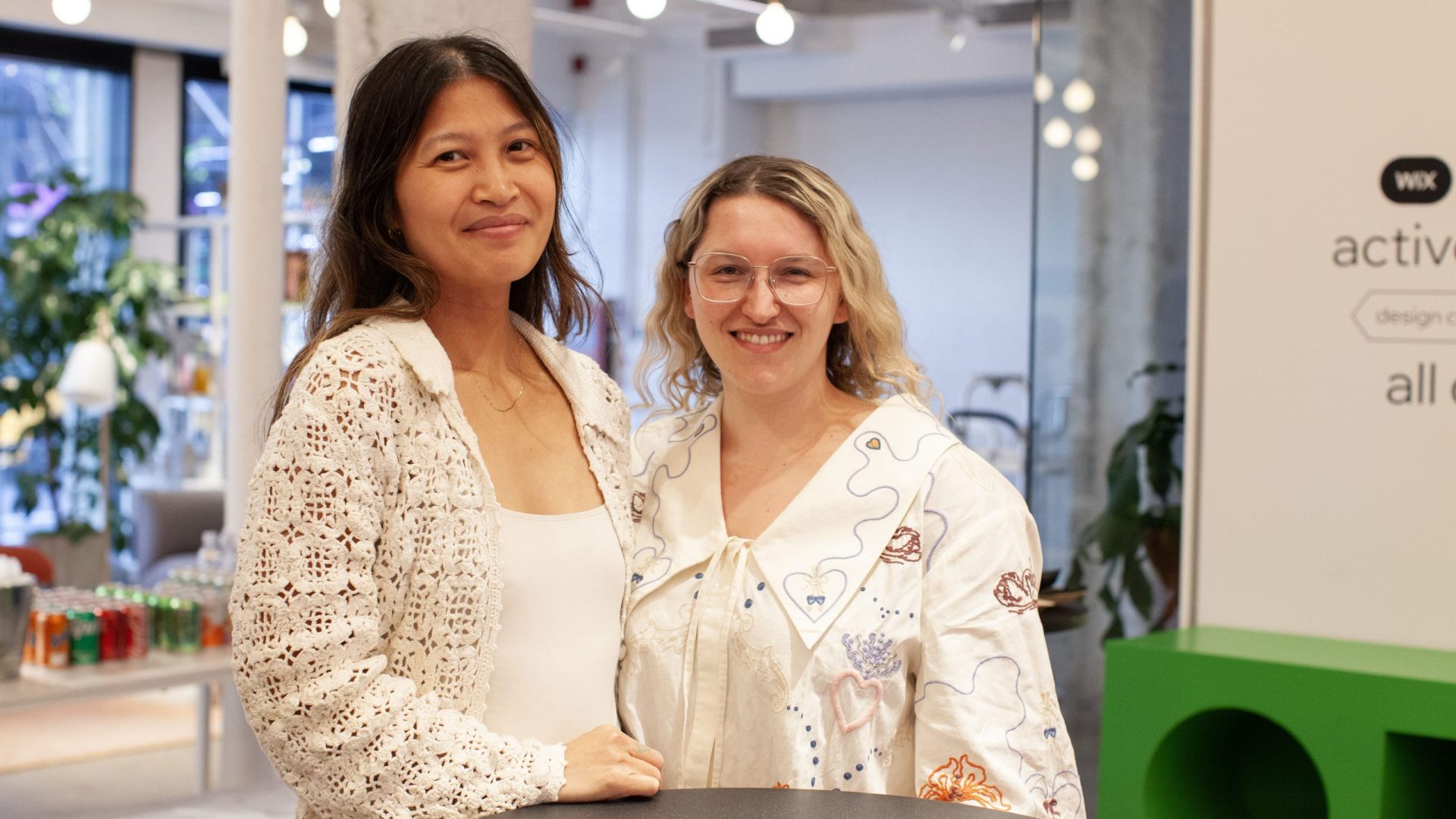
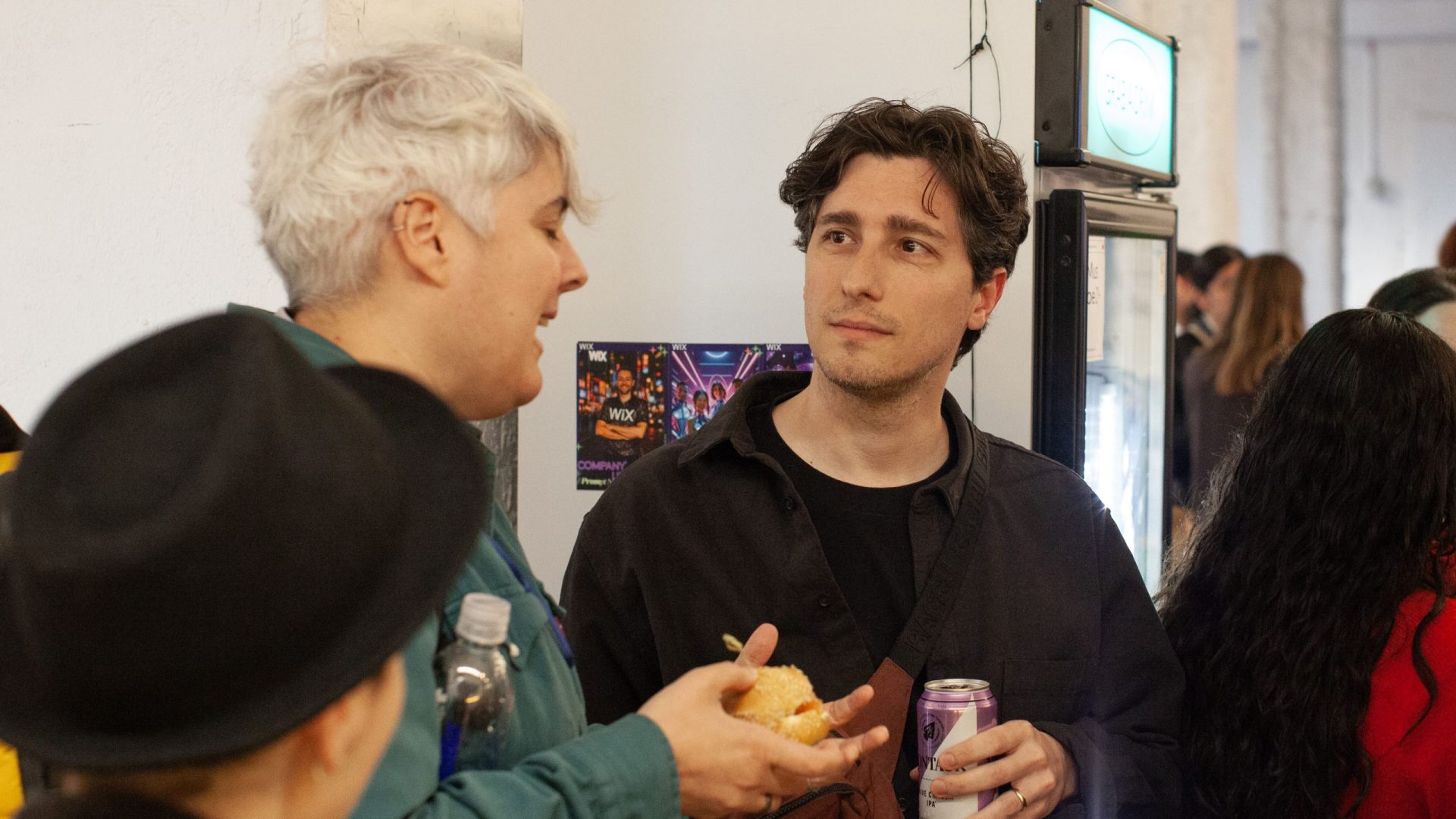
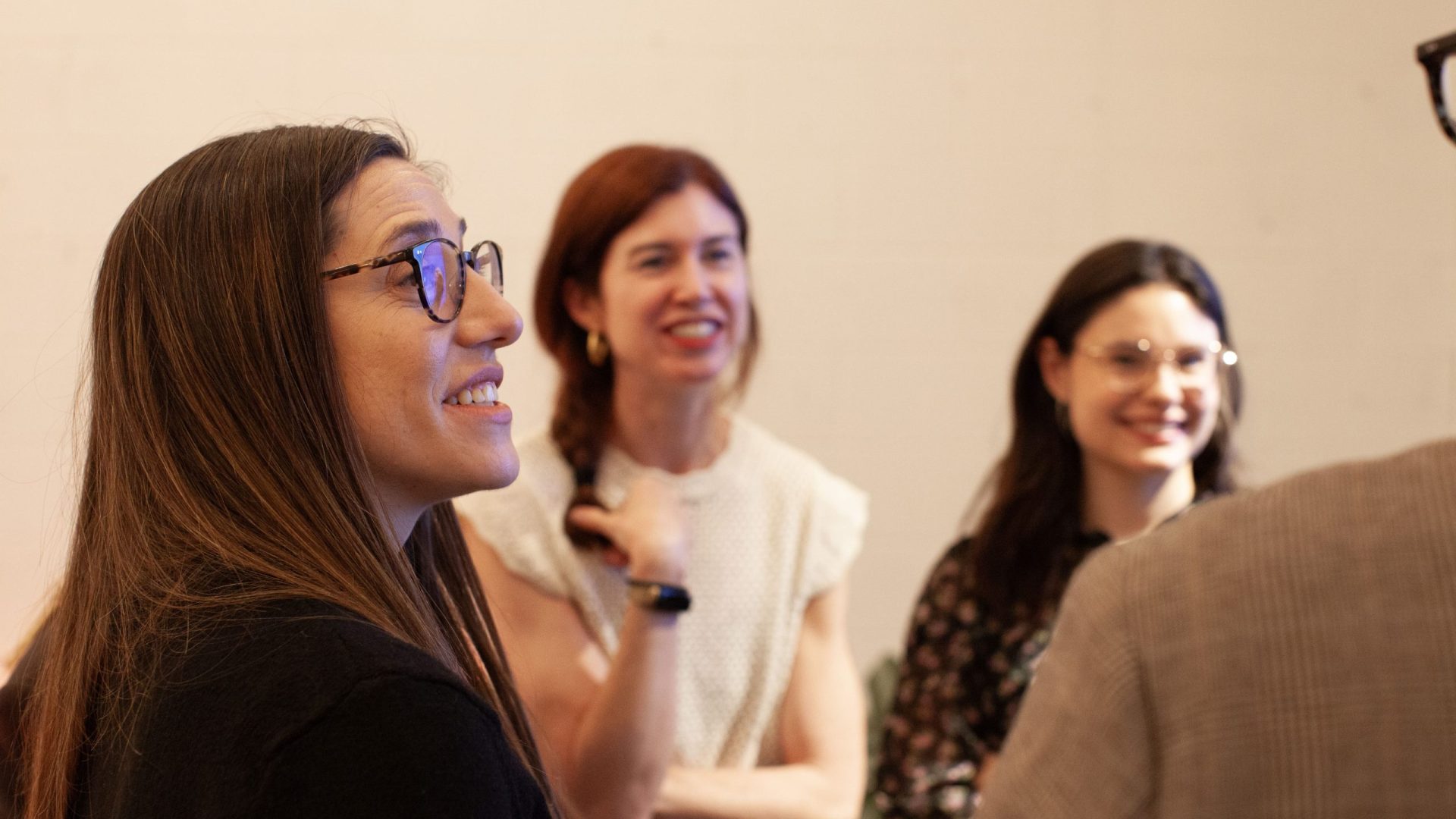
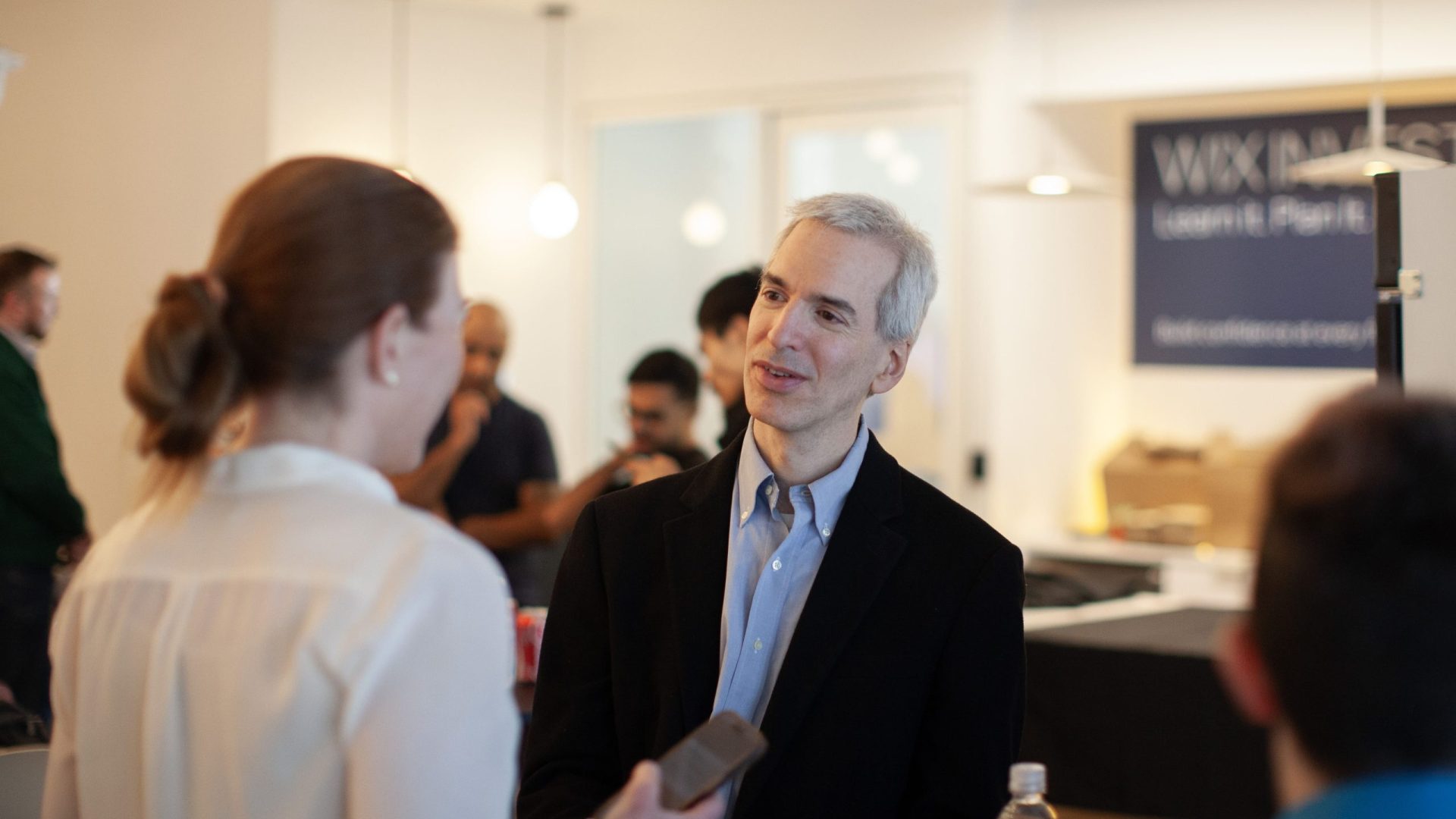
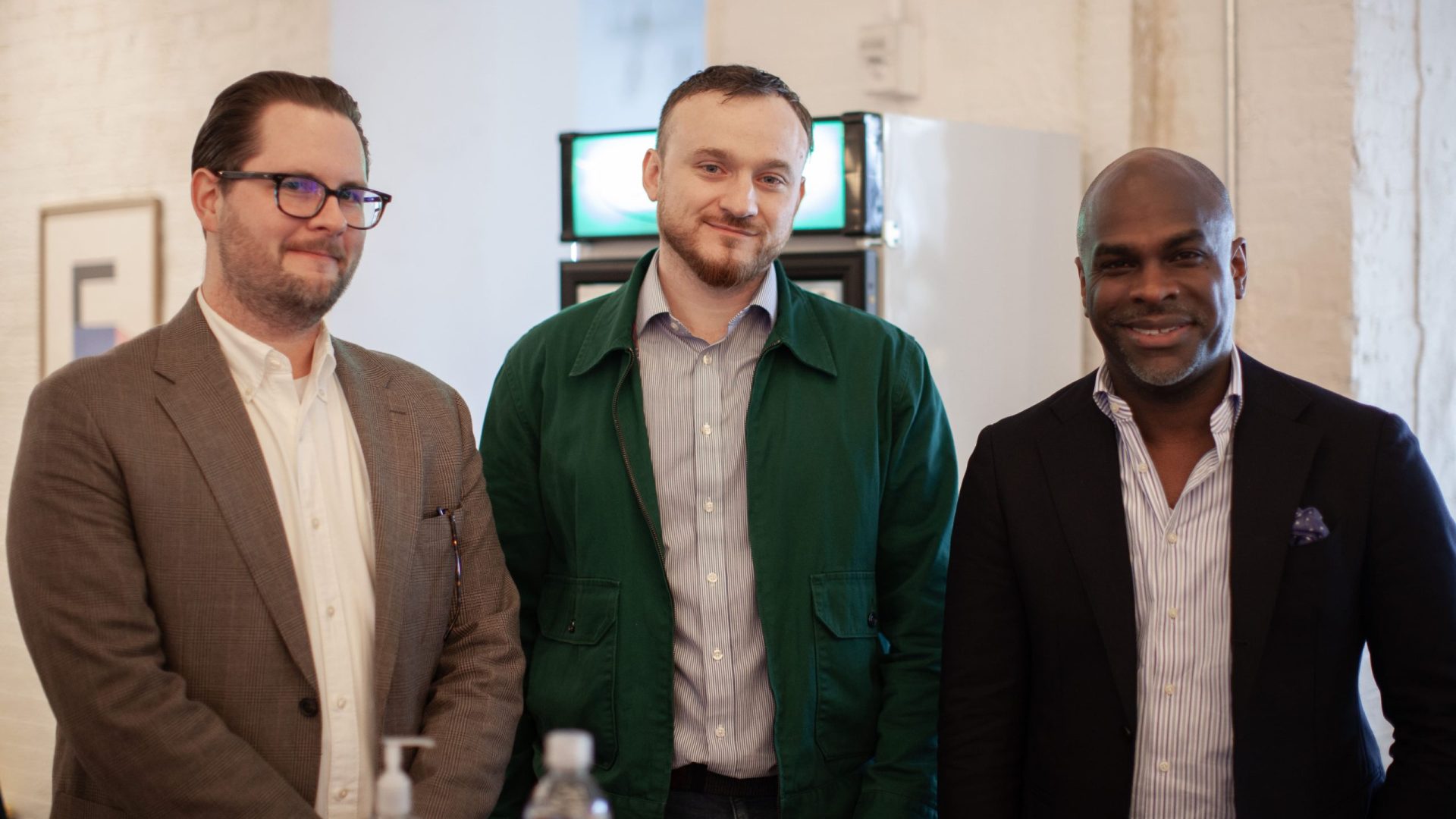
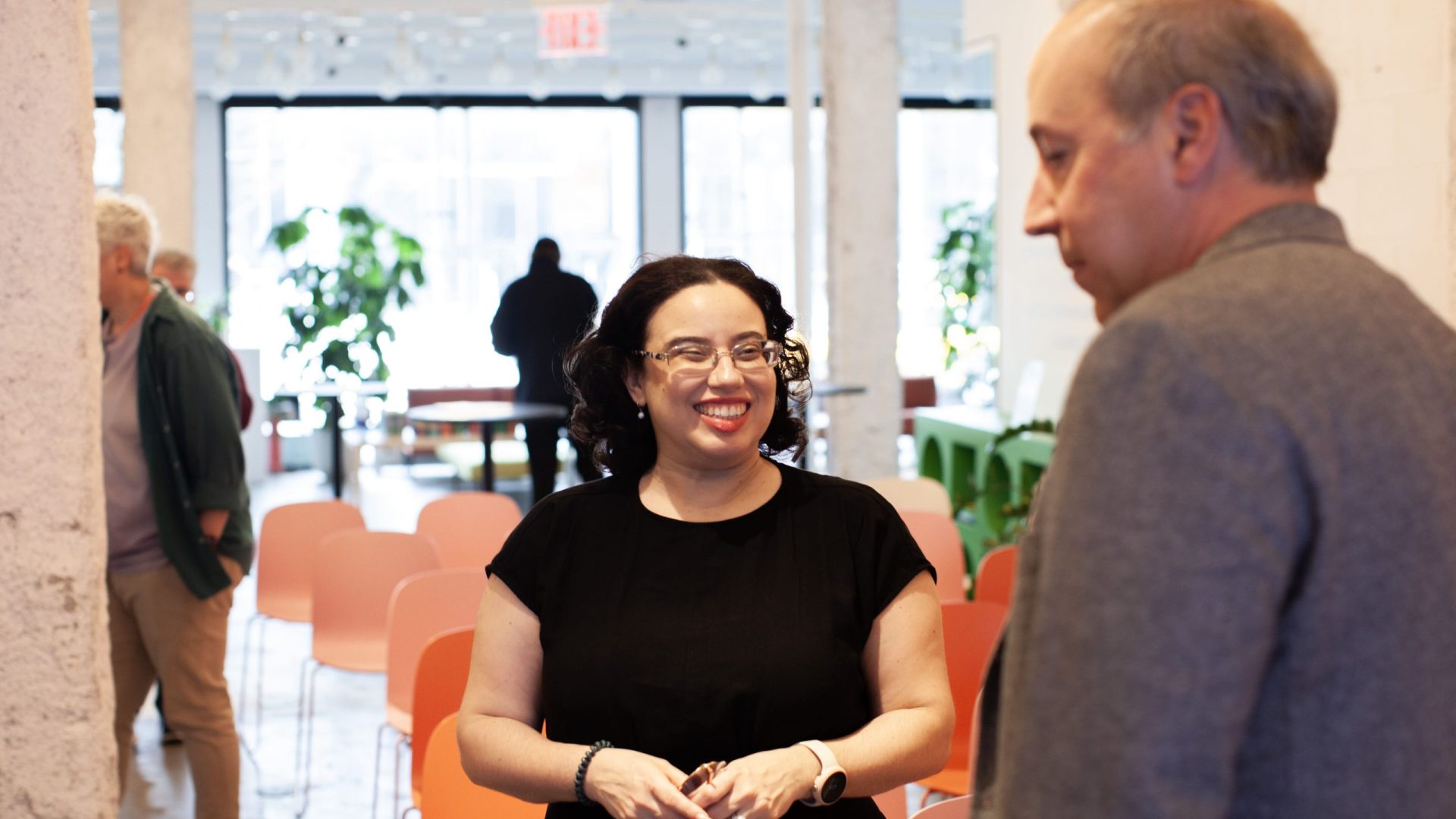
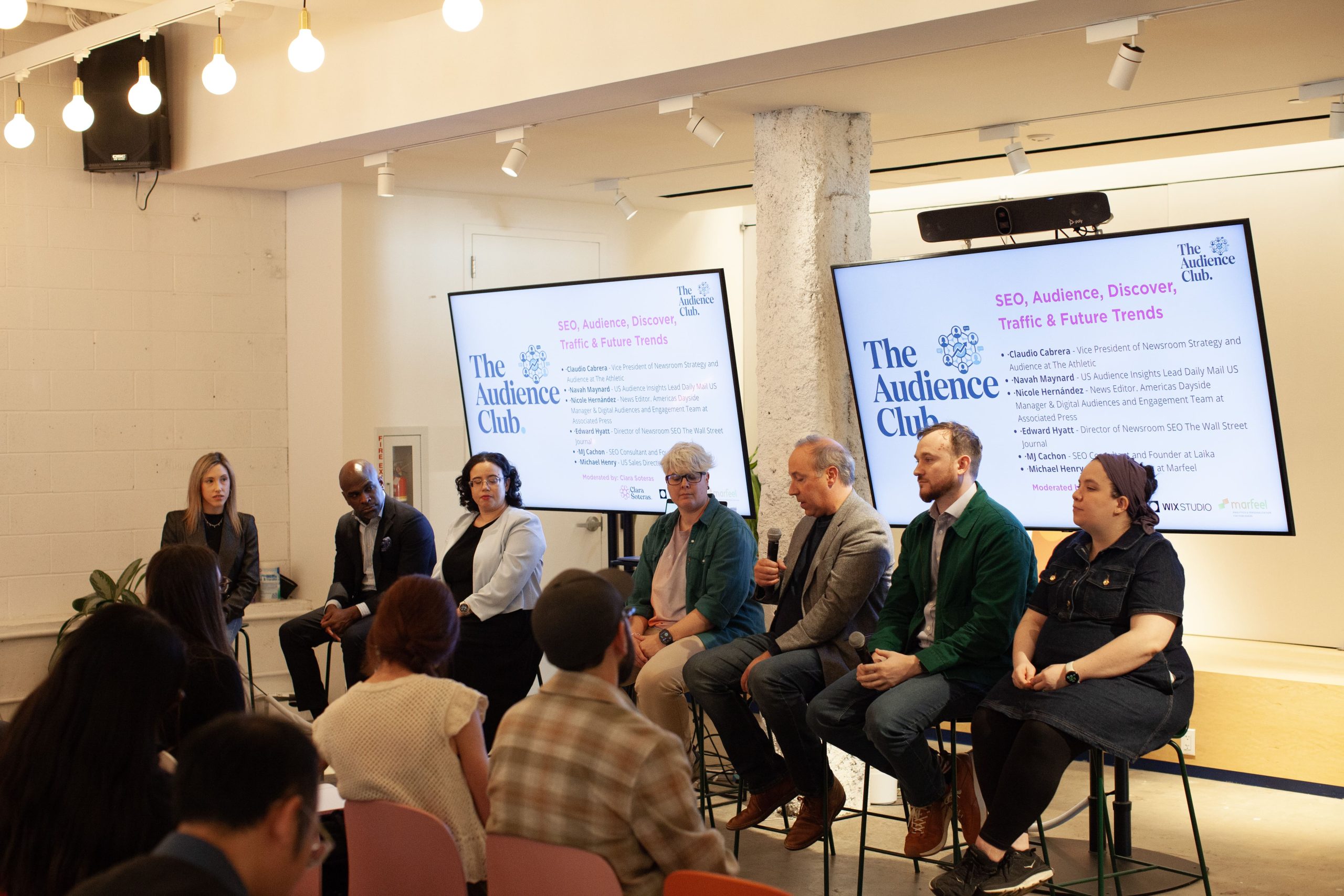
This vision came to life at The Audience Club’s first event in New York, which brought together publishers, SEO experts, journalists, and creators for an evening of conversations around AI, search, creator-led journalism, and the future of news. A special thank you to Wix for hosting the event and to Marfeel for sponsoring it.
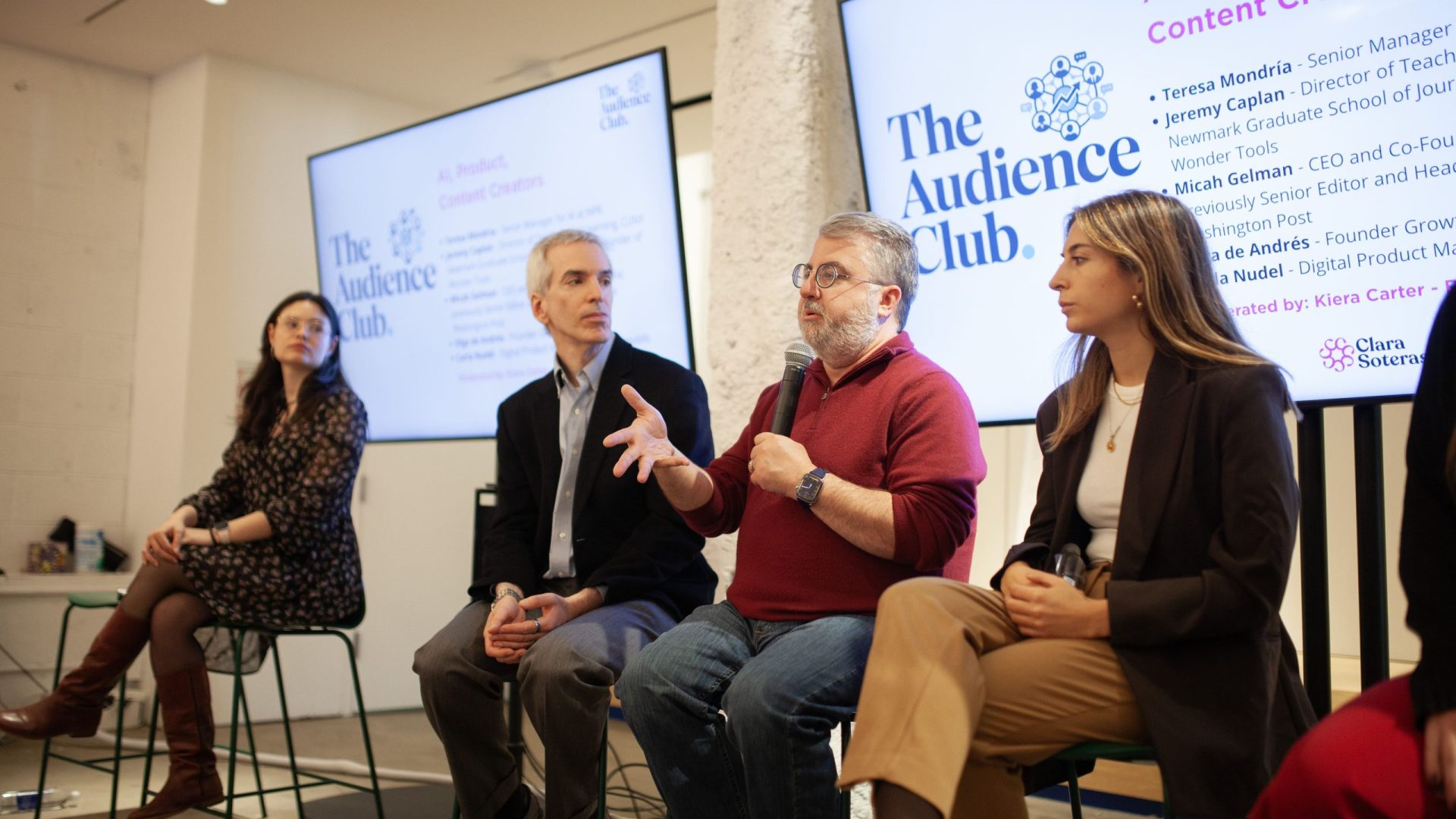
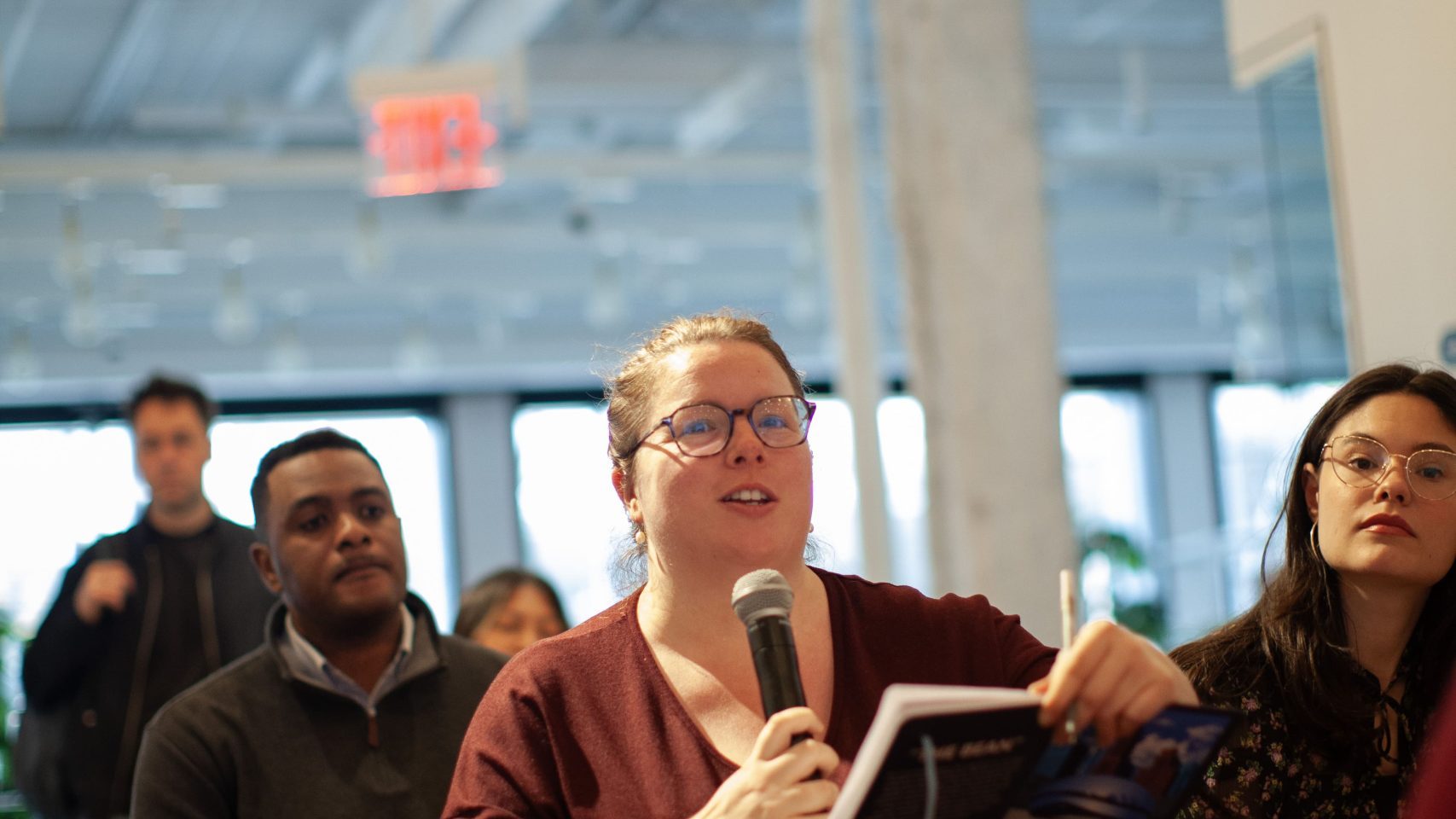
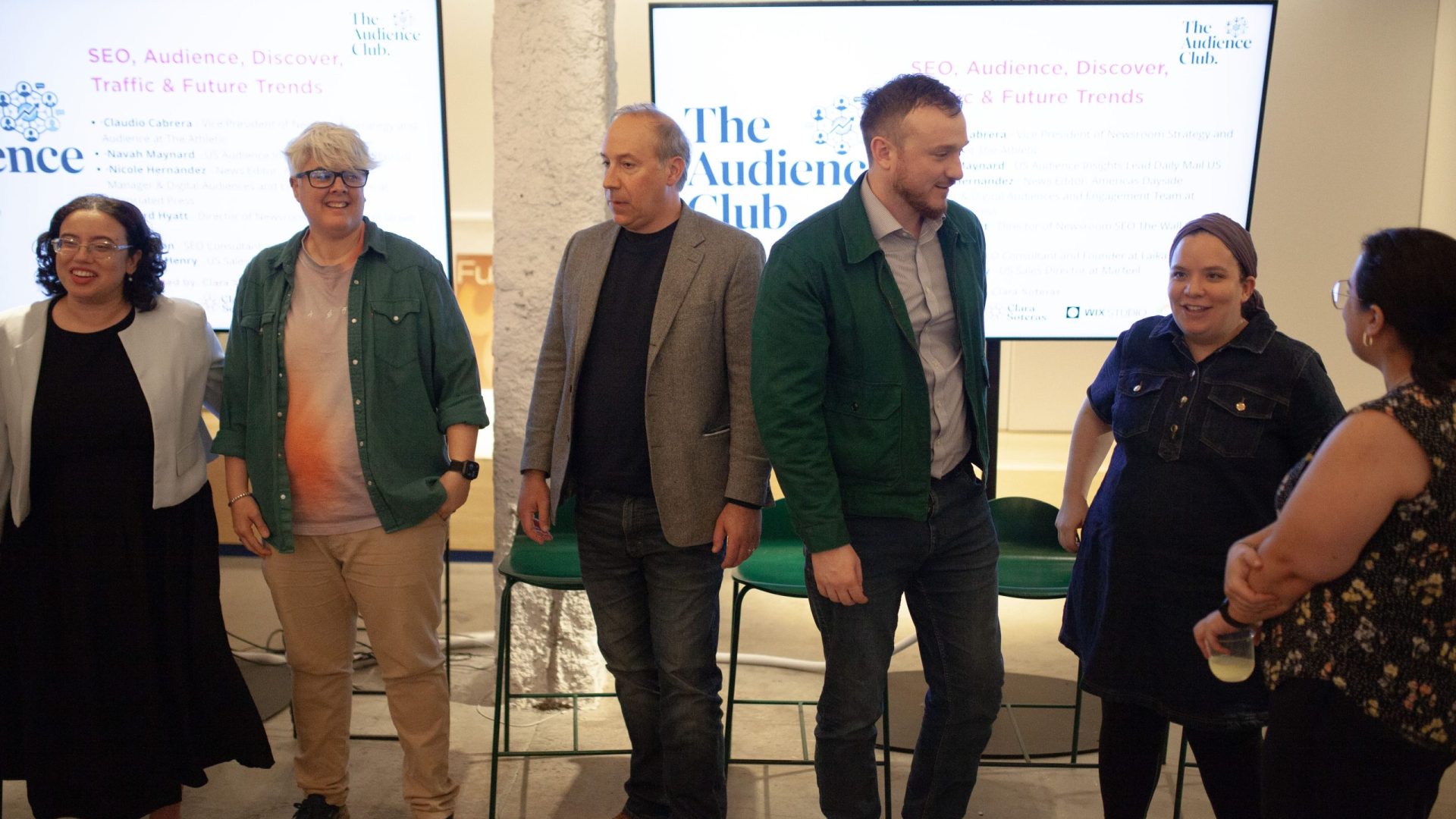
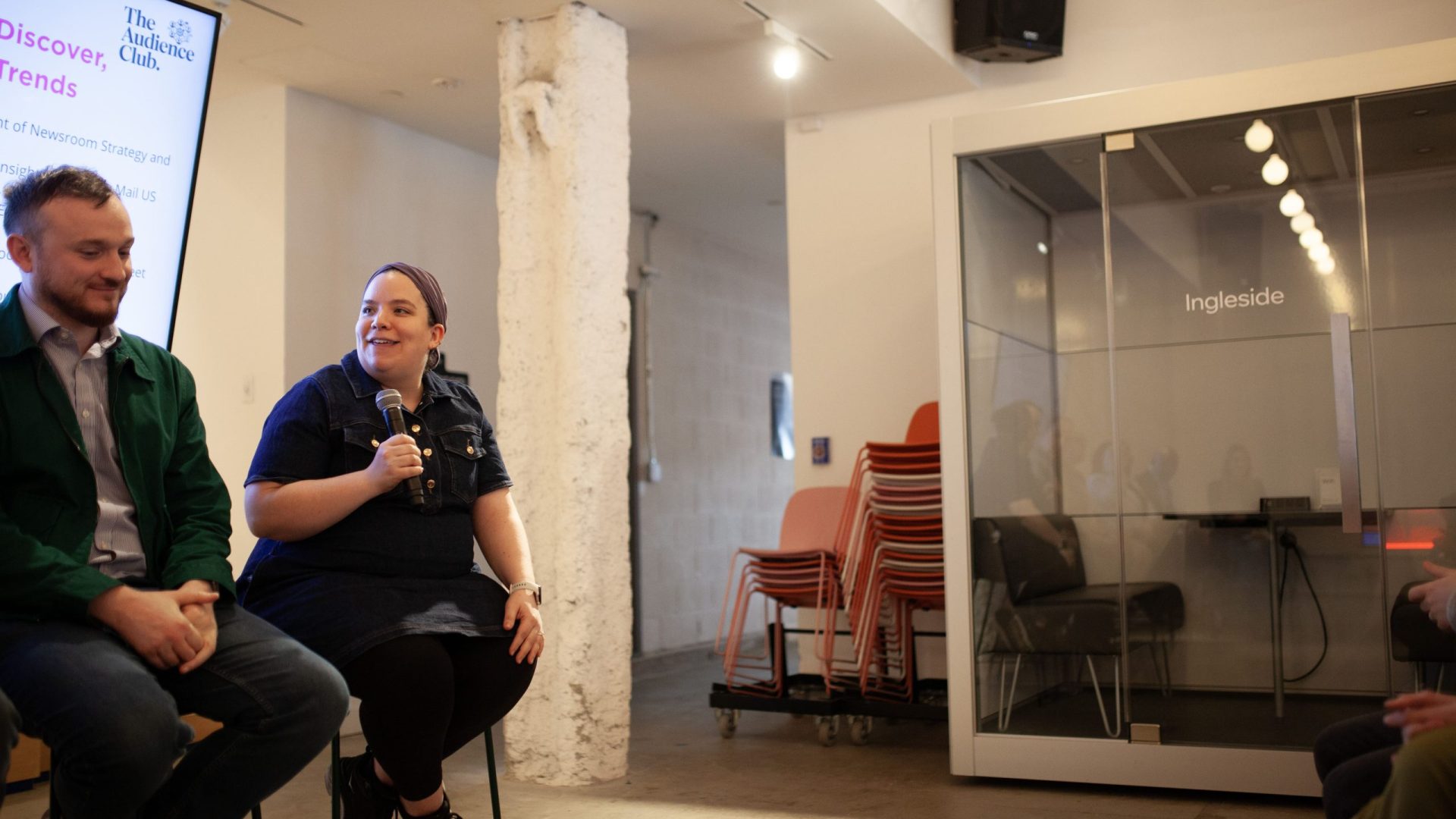
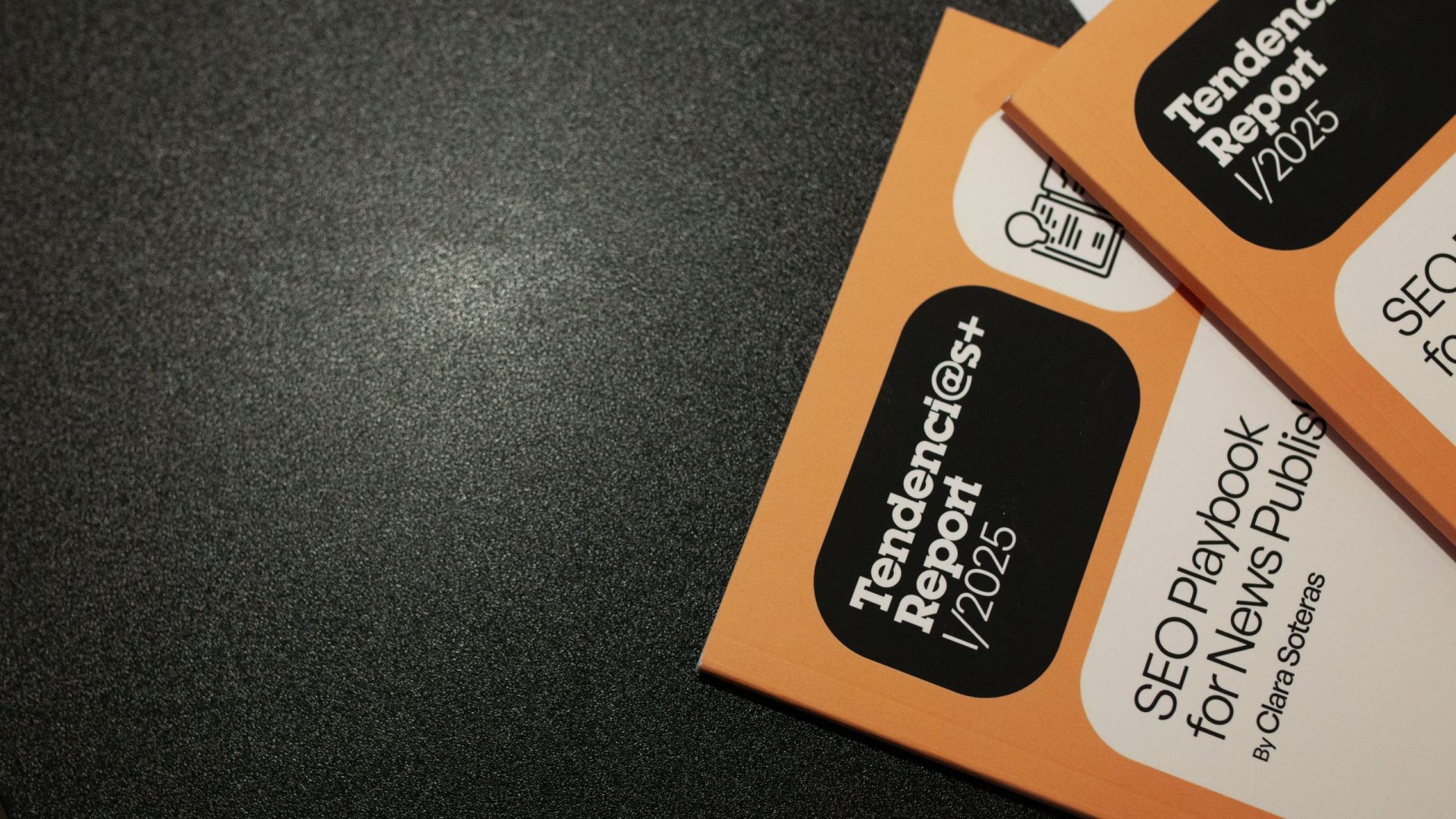
The event featured insightful discussions with leading industry professionals, open networking with attendees, and key conversations on how media companies can adapt to a rapidly changing search and audience landscape. During the event, I also had the opportunity to present my latest book, SEO Playbook for News Publishers, adapted specifically for the US market. Here are some of the key ideas and insights shared by the speakers across the two panels (and all the photos at the end of this article!).

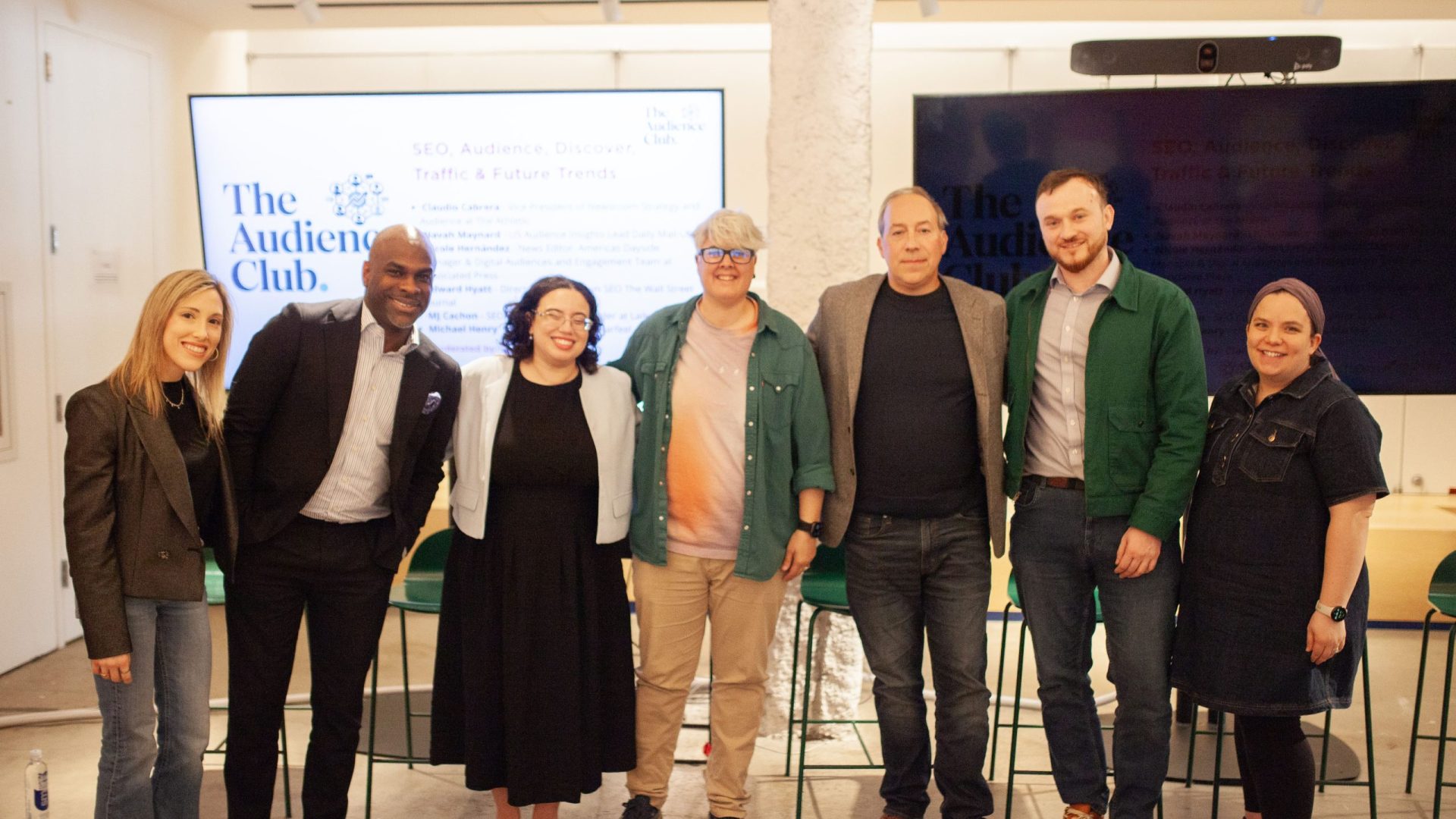
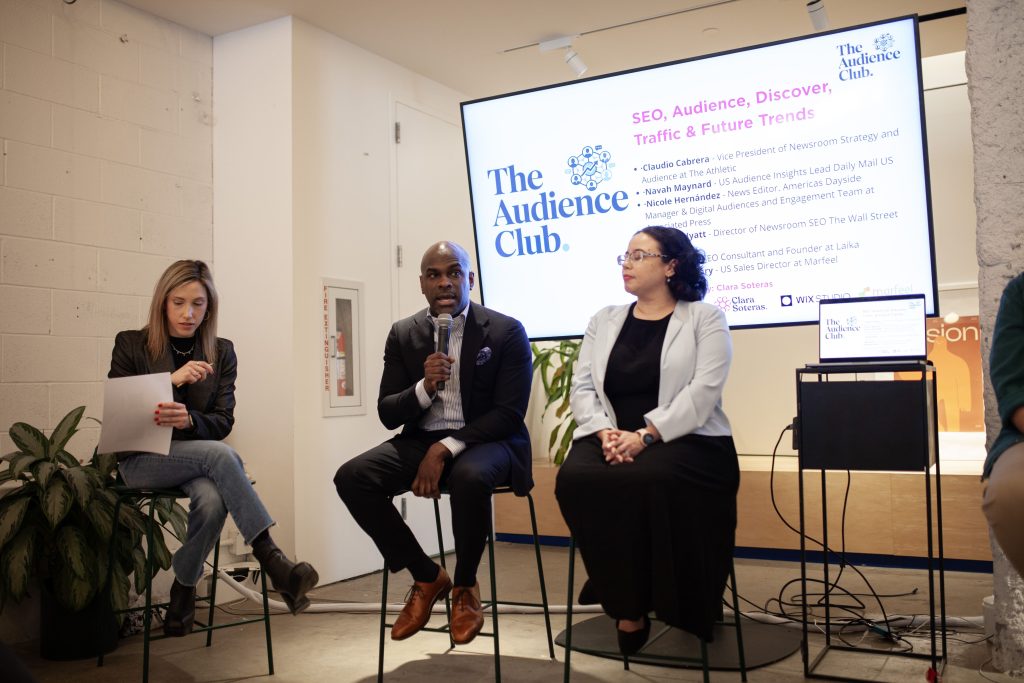
A huge thank you to all the incredible speakers who made The Audience Club’s first New York event possible by sharing their expertise, insights, and vision for the future of media: Claudio Cabrera (The Athletic), Navah Maynard (Daily Mail US), Nicole Hernández (Associated Press), Edward Hyatt (The Wall Street Journal), Teresa Mondría (NPR), Jeremy Caplan (CUNY), Michael Henry (Marfeel), MJ Cachón (Laika), Olga de Andrés (Growth Boutique), Micah Gelman (LNI Media / formerly The Washington Post), Carla Nudel (The New Republic), and Kiera Carter (Wix Studio).
(The next The Audience Club event will take place in London this June, continuing the conversation around AI, search, audience strategies, and the future of news publishing. More information, speakers, and details will be shared soon.)

From Pageviews to People: The New Focus on Engagement
The consensus among experts is a decisive move away from chasing fleeting pageviews towards building loyal, engaged communities. This shift is driven by the realization that time and attention are finite, invaluable resources. As Nicole Hernández (AP) noted, pageviews are “the worst metric that you can try to build your business on.” Publishers are now prioritizing a suite of “health-focused” KPIs, including engagement time, pages per session, on-site registrations, and subscriber conversions.
Claudio Cabrera (The Athletic) emphasized the growing importance of on-site engagement to counter the rise of community platforms like Reddit in search results. “Really having a strategy that’s really focused on bringing people to the website in a way that they can actually stick on the website, versus coming in and out, I think is going to be extremely important,” he stated. Michael Henry (Marfeel), who works with numerous publishers, confirmed a significant shift over the last 18 months towards a deeper concern for loyalty and recirculation, breaking down internal silos to feed conversion data back into content production.
AI Overviews and Discover: Navigating Threats and Opportunities
The introduction of AI Overviews by Google has sent ripples through the industry, particularly for publishers reliant on “evergreen” content. Research presented by independent analyst MJ Cachon (Laika) indicated that AI Overviews capture the vast majority of user attention. While sectors like cooking have seen a “big dip” in traffic, the impact on breaking news has been less severe. The strategy is not to abandon evergreen content, but to reposition it as a tool to showcase expertise and build trust. “That’s leaving out an opportunity to showcase to someone, ‘Hey, we have expertise, and we can break these topics down for you,’” argued Nicole Hernández of the Associated Press.
Similarly, Google Discover presents a powerful yet unpredictable source of traffic. Navah Maynard (Daily Mail US) emphasized that Discover must be “the extra, the cream on top,” not a primary reliance. The goal is to leverage the platform strategically, such as by adapting headlines for a broader audience, without compromising core journalistic values or “bending to Discover.”
The Power of Authority and Originality
In an age of information overload and AI-generated summaries, established brands are doubling down on what makes them unique: expertise and original reporting. Edward Hyatt, The Wall Street Journal’s Director of Newsroom SEO, explained their focus on “attentional search audiences” —users with deep intent who are more likely to become paying subscribers. By focusing on scoops and expert-driven content, the Journal’s traffic has remained resilient. “If you think about how you stand out amongst things like AI and robots… just being really original with our own [reporting],” Maynard said. “You’re going to be the only one, at least for a short while, that’s reported on that story.”
This extends to individual journalists. Hyatt detailed a collaborative effort to elevate reporters’ public profiles, ensuring they are recognized as experts across the web. “When we’re thinking about expertise, authority, and trust, our reporters also need the same level of investment as our brand,” he stated. This investment is seen as a crucial defense against AI, positioning reporters as trusted sources worth seeking out.
The Video Vanguard and New Metrics
A recurring theme is the undeniable rise of video, especially vertical formats for mobile consumption. “Video is extremely key just because it’s entering Discover much more,” Claudio Cabrera noted. This is pushing newsrooms to train and equip their field reporters to become multi-format “creators,” shooting short, timely videos that provide a powerful new entry point for audiences. Hyatt highlighted YouTube as a massive opportunity, urging newsrooms to optimize their video output.
This multi-platform reality demands more sophisticated analytics. Publishers are seeking unified dashboards that integrate on-site data with metrics from platforms like YouTube, Reddit, and WhatsApp. The Wall Street Journal has created custom metrics like “publisher reach,” which assigns a weighted value to clicks from different sources. “Not every click is the same,” Hyatt affirmed, recognizing that a click from an intentional search is more valuable than a fleeting social media interaction.
AI in the Newsroom: From Threat to Tool
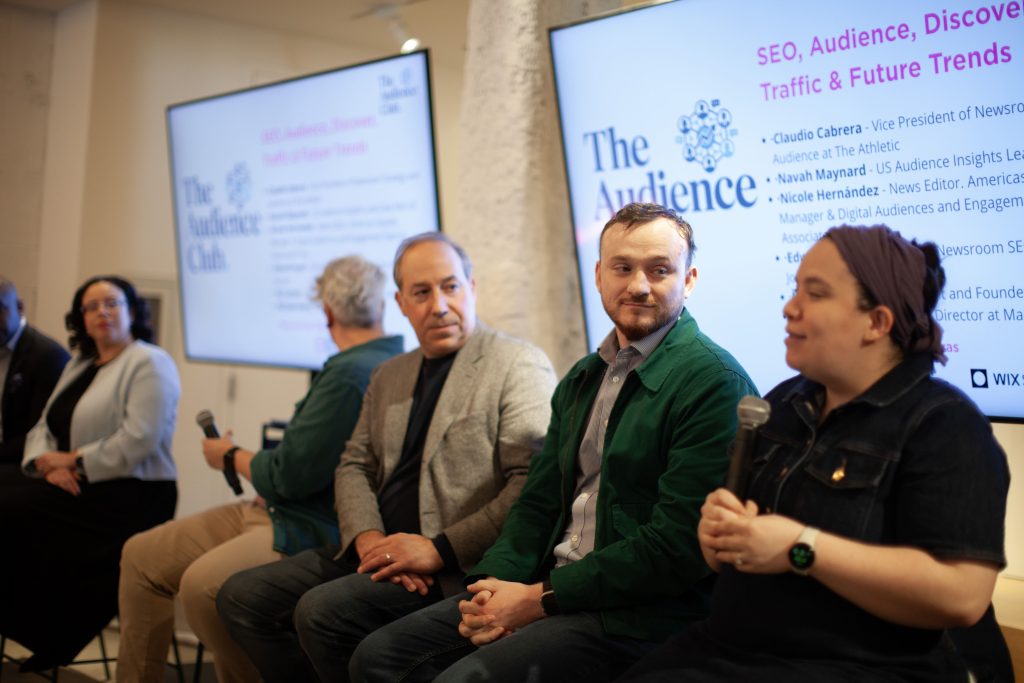
The conversation around AI in journalism has moved from a futuristic hypothetical to a present-day reality. Panelists from organizations like NPR, The New Republic, and former members of The New York Times’ AI initiative team painted a picture of an industry in a state of “product discovery.” “Every newsroom is currently figuring out how to best use AI depending on their corporate strategy, their editorial strategy, the needs of their journalists,” said Teresa Mondría, senior product manager AI Labs at NPR, who was previously on the AI initiative team at The New York Times.
The consensus is that AI’s most immediate value lies not in replacing journalists but in augmenting their work. Examples include:
- Internal Efficiency: The Philadelphia Inquirer’s “Dewey” system helps journalists search its 190-year archive, while its “Scout” tool saves 15 hours of weekly research on local events.
- Workflow Automation: AI is being used for tasks like SEO headline suggestions, alt-text generation, budget forecasting, and creating presentations, freeing up journalists to focus on content creation.
- Creative Support: AI can act as a “critic,” challenging journalists’ work and pointing out areas for improvement, thus making a “qualitative jump in the content.”
However, clear ethical boundaries are being drawn. Carla Nudel, Digital Product Manager at The New Republic, noted her organization was one of the first to establish union guidelines, stating AI “can certainly not use it for content creation as a primary way.” This sentiment was echoed by Micah Gelman, co-founder of the creator-led LMI Media, who confirmed they are “pretty clear about not using AI in the content creation.”

The Creator Economy and the Currency of Trust
Parallel to the rise of AI is the growing power of individual creators. LMI Media, co-founded by former Washington Post “TikTok guy” Dave Jorgenson, exemplifies this shift toward “creator-led journalism.” “People form connections with people,” Micah Gelman explained. “The trust you have with an individual is deeper than the trust you have with a brand at the moment.”
This model seeks to build direct relationships with audiences, leveraging personality and individual credibility to cut through the noise and combat the general decline in trust in institutions. Olga de Andrés, founder of Growth Boutique, added that a partnership between established media and trusted creators is the “perfect mix” to gain both reach and audience trust.
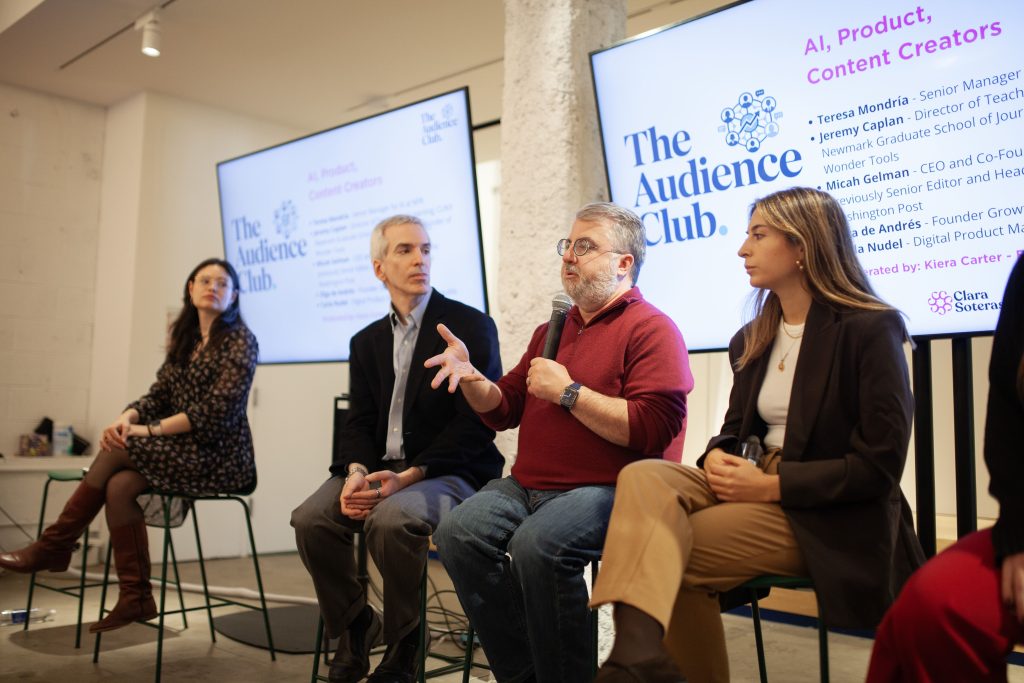
Jeremy Caplan, who teaches entrepreneurial journalism at CUNY, emphasized that success in the creator space is not magic. It requires: a narrow niche, focusing on a specific subject or a distinctive approach; consistency and perseverance, building an audience takes time and consistent effort; and unique value, offering something genuinely useful and different in a crowded market. However, Caplan also warned that the solo creator path is “a slog” and predicted a future with “more people banding together, more syndicates, and more relationships between creators and news organizations” for long-term sustainability.
Navigating the Uncharted Waters of Algorithms and LLMs
A persistent challenge for all digital publishers is the volatility of platform algorithms. The panel stressed the importance of building resilience by focusing on owned channels and direct audience relationships. “Focus on the things that you can control, the channels that are ours,” said Teresa Mondría of NPR. Newsletters, in particular, were highlighted as a key tool. “You have those email addresses,” noted Caplan. “You’re not subject to the whims of a social platform.”
The question of whether to block or partner with Large Language Models (LLMs) like OpenAI’s remains open. While The New York Times is suing OpenAI, other outlets are exploring partnerships. The immediate traffic from LLMs is currently small, leading many to focus on first-party data and strengthening their own platforms. The discussion revealed a complex technical challenge in distinguishing between valuable LLM crawlers, malicious bots, and other automated traffic, with no one-size-fits-all answer yet emerging.
A Future of Hybrid Vigor and The Road Ahead
The future of journalism is increasingly taking shape as a hybrid model where technology and human craft are deeply intertwined rather than opposed. AI is being cautiously adopted as a tool to enhance efficiency and support journalistic work, but not to replace its core functions of reporting, verification, and providing context and insight. At the same time, the rise of individual creators is reinforcing trust and authenticity in a media environment often shaped by algorithmic volatility and institutional skepticism. In this context, the traditional model of passively relying on search traffic is fading, giving way to a more sustainable approach built on direct audience relationships, engaged communities, and authoritative, original journalism. Success is therefore being redefined beyond traffic and revenue, focusing instead on adaptability, meaningful engagement, and the ability of publishers to continuously learn and evolve. Ultimately, those organizations that shift not only their strategies but also their mindset—becoming more audience-centric, multi-format, and insight-driven—will be the ones shaping the next chapter of digital news.

Stay Connected: The Audience Club Lands in London on June 25!
I hope you found this summary of everything shared during The Audience Club’s first event in New York insightful and valuable. The next edition will take place in London, where I already have several confirmed speakers, and I’ll be sharing more details very soon. If you’d like The Audience Club to come to your city, feel free to reach out, and if you’re interested in supporting or collaborating with the next edition, I’d be happy to hear from you. It will be a great opportunity to bring back into focus the strategies, ideas, and practical approaches we still need in the media industry today, and to continue learning from each other as we navigate this evolving landscape. If you’re interested in learning more about the book SEO Playbook for News Publishers, that was presented and discussed, you can find it here. Thank you for making it to the end, and I’m sharing more photos from the event with you.
Note: This summary was created with the help of Plaud AI, a technology that allows you to record any session or talk and quickly generate a structured draft, making it much faster to turn live conversations into articles like this one.